- Tel: +8613911709825 /
- Email: ry@rays-casting.com /


-
Business PhilosophyCustomer Focus Customer Trust
-
ValuesResponsibility enterprise quality sustainability
-
Quality philosophyCraftsmanship creates excellent quality and defines the future

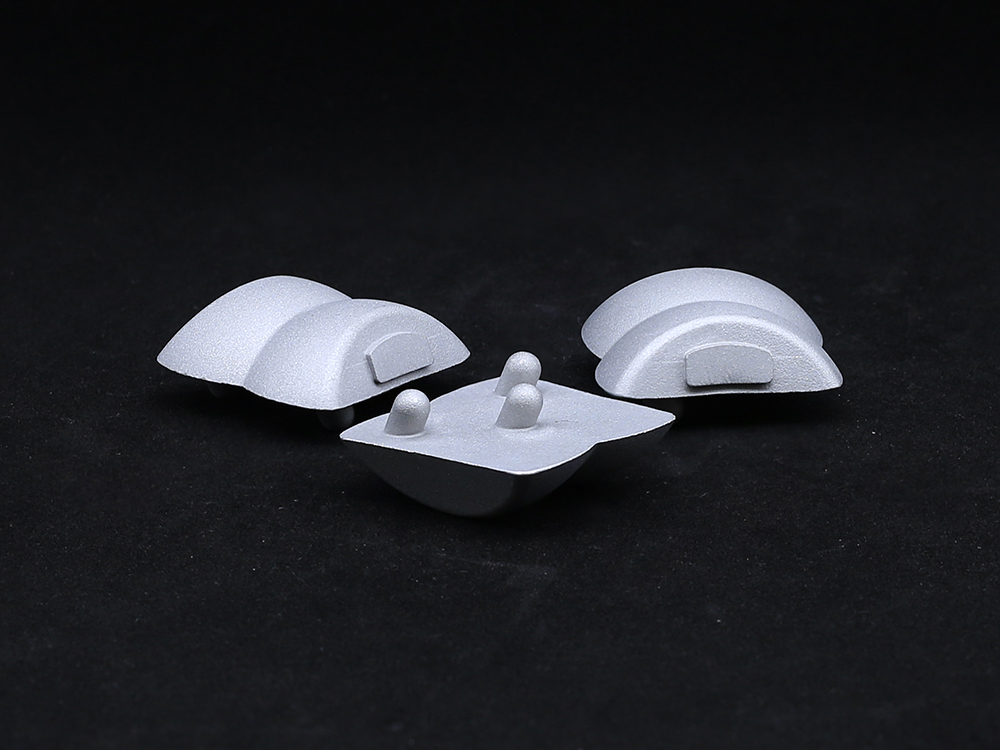

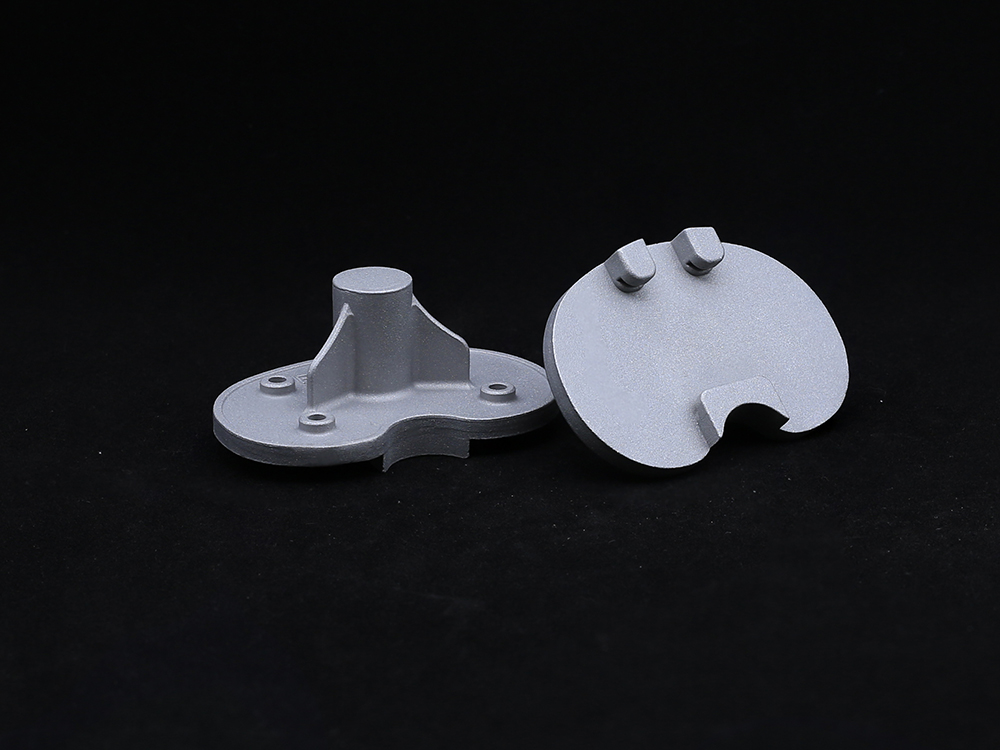
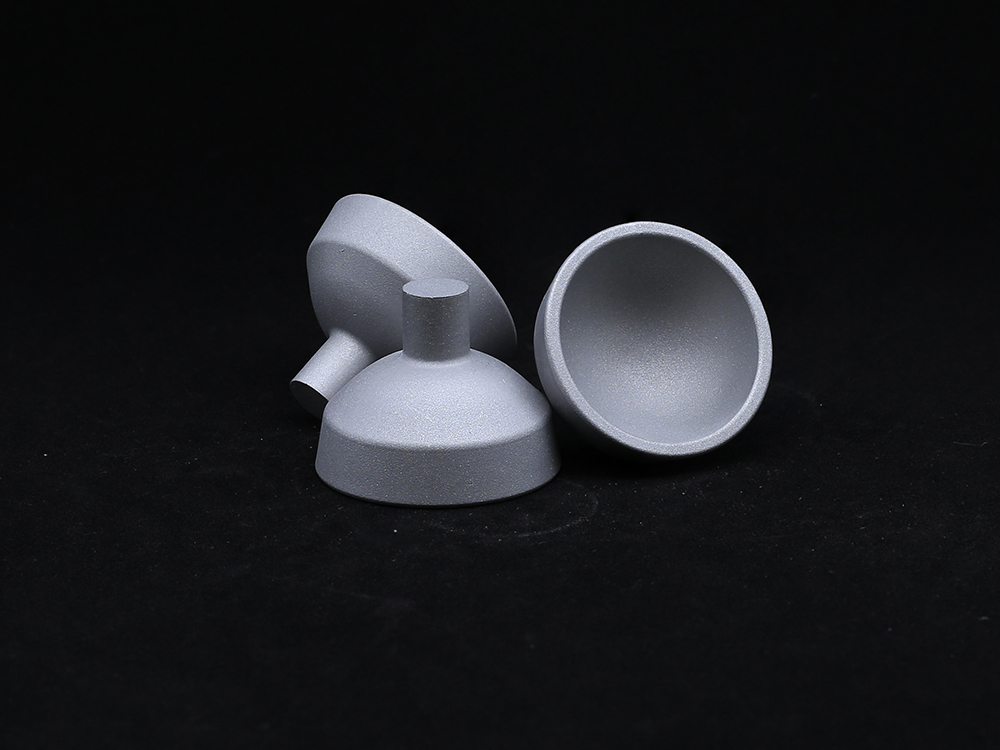

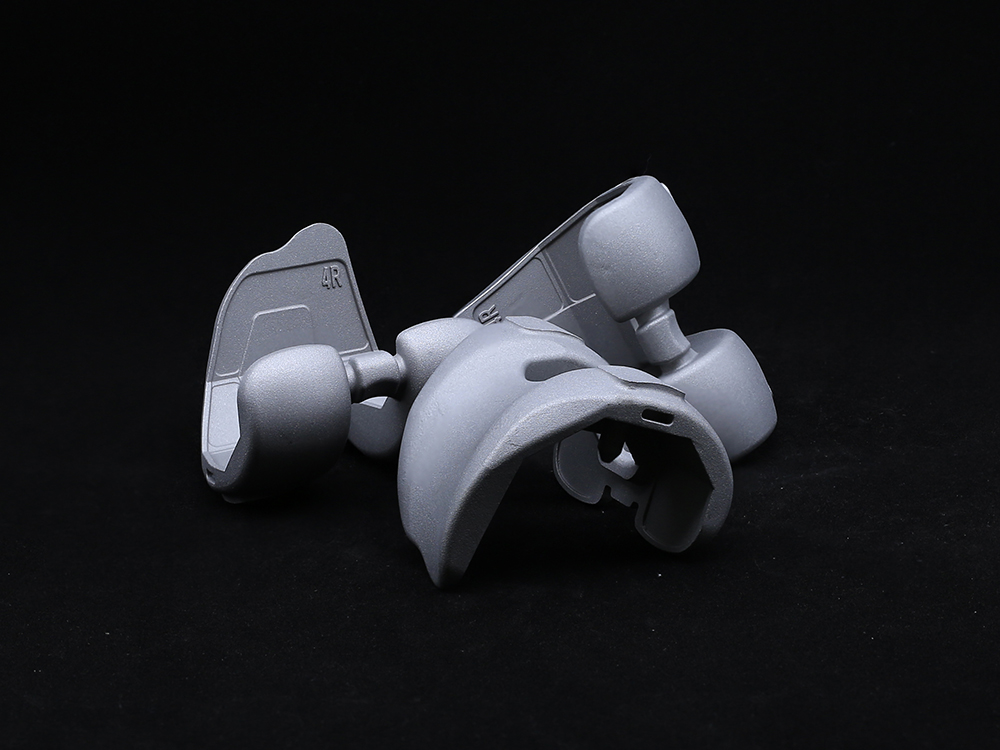
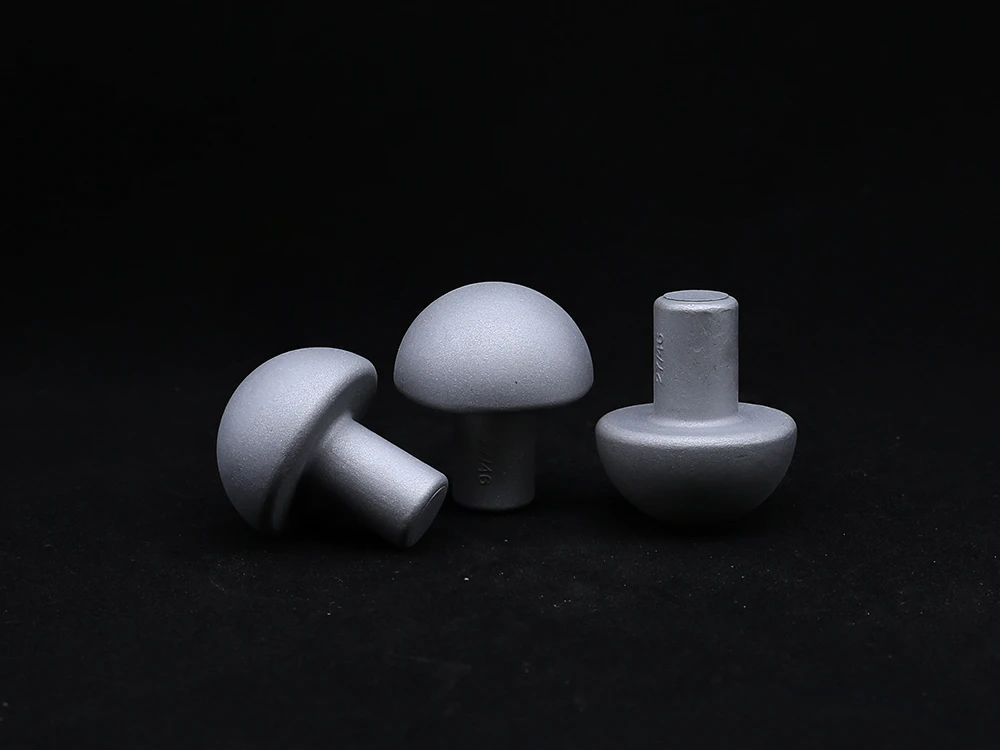
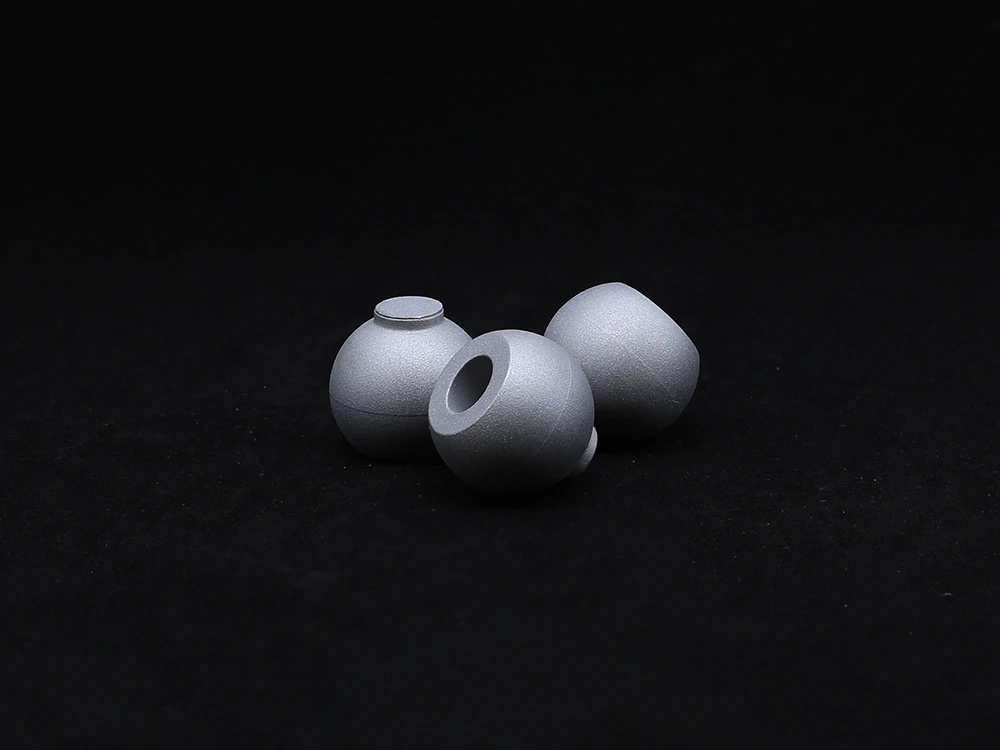
acetabular head
Introduction to Humeral Head Components in Industrial Applications In the realm of precision engineering and heavy industrial applications, the Humeral Head refers to a critical component, often spherical or semi-spherical, designed for pivotal motion within complex mechanical systems. While its anatomical namesake refers to a part of the shoulder joint, in industrial contexts, it denotes a highly engineered part integral to robust rotating or oscillating assemblies, particularly in applications demanding exceptional wear resistance, structural integrity, and long operational life. These components are fundamental in ensuring smooth articulation and power transmission in machinery operating under extreme conditions, ranging from high loads and temperatures to corrosive environments. The functionality of industrial Humeral Head components is paramount in preventing premature system failure, reducing maintenance overheads, and optimizing overall operational efficiency. Their design often incorporates advanced material science and manufacturing techniques to withstand continuous mechanical stress, abrasion, and chemical degradation. This article delves into the intricate details of their production, technical specifications, diverse applications, and the competitive advantages offered by leading manufacturers. Industry Trends in Humeral Head Component Manufacturing The industrial landscape for Humeral Head components is continually evolving, driven by demands for increased efficiency, durability, and customization. Key trends include the adoption of advanced metallurgy, such as high-strength low-alloy steels, nickel-based superalloys, and specialized ceramics, to enhance performance in extreme operational environments. There's a significant push towards integrating IoT and predictive maintenance capabilities, where components might feature embedded sensors for real-time performance monitoring, enabling proactive replacement and minimizing downtime. Furthermore, additive manufacturing (3D printing) is emerging as a viable method for creating complex geometries and prototypes, although traditional methods like casting and forging remain dominant for mass production due to cost-effectiveness and material integrity. Sustainability is another critical driver, with manufacturers exploring greener production processes, recyclable materials, and designs that reduce energy consumption throughout the component's lifecycle. The global shift towards automation in various industrial sectors, from robotics to heavy machinery, also fuels the demand for high-precision, reliable spherical joints, making the robust Humeral Head component indispensable. Detailed Process Flow for Humeral Head Production The manufacturing of a high-quality Humeral Head involves a meticulous multi-stage process designed to achieve precise dimensions, superior material properties, and exceptional surface finish. The general workflow encompasses material selection, primary forming, precision machining, heat treatment, surface finishing, and rigorous quality control. 1. Material Selection Materials are chosen based on the intended application, considering factors like load capacity, temperature range, corrosion resistance, and abrasion. Common materials include various grades of stainless steel (e.g., 304, 316, 440C for corrosion resistance and hardness), carbon steel (e.g., 1045, 4140 for high strength), alloy steels (e.g., 8620, 9310 for carburization), and sometimes specialized alloys like Inconel for extreme heat and chemical resistance. For medical-grade components, titanium alloys or cobalt-chrome alloys might be utilized. 2. Primary Forming (Casting/Forging) Casting: For complex geometries or large volume production, investment casting (lost-wax process) or sand casting is employed. This allows for near-net shape components, minimizing subsequent machining. Materials like stainless steel and alloy steels are commonly cast. Forging: For applications demanding superior strength and fatigue resistance, hot or cold forging is preferred. This process refines the grain structure, enhancing the mechanical properties. This is common for high-stress components in industries like heavy machinery and aerospace. 3. CNC Machining Once the raw form is created, advanced CNC (Computer Numerical Control) machining centers are used to achieve the precise spherical geometry and other critical dimensions. Multi-axis CNC lathes and milling machines ensure tight tolerances (e.g., ±0.01 mm to ±0.005 mm) and excellent surface finish, crucial for smooth operation and longevity. This stage often involves roughing, semi-finishing, and fine-finishing passes. 4. Heat Treatment To optimize mechanical properties such as hardness, toughness, and wear resistance, components undergo specific heat treatment processes. These can include: Hardening & Tempering: Increases strength and hardness while maintaining ductility. Carburizing/Nitriding: Creates a hard surface layer for enhanced wear resistance, particularly useful for components in abrasive environments. Stress Relieving: Reduces internal stresses induced during manufacturing, preventing distortion. 5. Surface Finishing Achieving a superior surface finish is critical for reducing friction, preventing corrosion, and extending service life. Techniques include polishing, lapping, grinding, and specialized coatings (e.g., hard chrome plating, nitride coatings, or polymer coatings for low-friction applications). Surface roughness can be reduced to Ra values of 0.2 µm or even finer for specific high-performance requirements. 6. Testing and Quality Control Throughout the process, stringent quality control measures are implemented. This includes: Dimensional Inspection: Using CMMs (Coordinate Measuring Machines), optical comparators, and precise gauges to verify all critical dimensions. Material Testing: Spectrographic analysis, hardness testing (Rockwell, Brinell), tensile strength testing, and impact testing. Non-Destructive Testing (NDT): Magnetic particle inspection, ultrasonic testing, and liquid penetrant inspection to detect internal and surface flaws. Functional Testing: Load testing, fatigue testing, and wear simulation for specific applications. Adherence to testing standards such as ISO 9001 for quality management, ISO/TS 16949 for automotive, and ANSI standards for dimensional accuracy is non-negotiable to ensure product reliability and performance. Image: Precision-machined Humeral Head component undergoing final inspection. Technical Specifications and Parameters Understanding the detailed technical parameters of a Humeral Head component is crucial for engineers and procurement specialists. These specifications dictate suitability for various applications and ensure optimal performance. Below is a representative table outlining typical specifications for industrial-grade Humeral Head components. Typical Product Specification Table: Industrial Humeral Head Parameter Specification Range / Detail Material Options ASTM A36 (Carbon Steel), AISI 4140 (Alloy Steel), SS 304/316 (Stainless Steel), Hastelloy C-276 (Nickel Alloy) Outer Diameter (OD) 20 mm to 500 mm (0.8 in to 20 in), customizable Surface Hardness 200-600 HB (Brinell Hardness), depending on heat treatment and material Surface Roughness (Ra) 0.2 µm to 1.6 µm (8 µin to 63 µin), fine polishing achievable to 0.1 µm Dimensional Tolerance ISO 2768-mK (Medium Class) standard, tighter tolerances down to ±0.005mm achievable Operating Temperature Range -40°C to +450°C (-40°F to +842°F), material dependent Corrosion Resistance High (Stainless Steels, Nickel Alloys), Moderate (Alloy Steels with coatings), Low (Carbon Steels) Maximum Load Capacity Varies significantly by size and material, typically from 5 kN to 500 kN static load Typical Service Life 5-20+ years, depending on application, maintenance, and operating conditions Technical Advantages of High-Performance Humeral Head Components Superior industrial Humeral Head components offer distinct technical advantages that contribute directly to enhanced operational performance and reduced total cost of ownership (TCO) in demanding environments. Exceptional Wear Resistance: Through optimized material selection and advanced surface treatments (e.g., nitriding, specialized coatings), these components exhibit significantly extended service life even in abrasive conditions, minimizing friction and material loss. High Load-Bearing Capacity: Engineered for extreme static and dynamic loads, high-grade Humeral Head components maintain structural integrity, preventing deformation and catastrophic failure under peak stresses. Corrosion Resistance: Utilization of stainless steels or nickel alloys, along with protective coatings, ensures longevity in aggressive chemical environments, such as those found in petrochemical, marine, or wastewater treatment facilities. Precision Machining & Dimensional Stability: Tight manufacturing tolerances and superior surface finishes enable smooth, precise articulation, reducing backlash and ensuring consistent performance over time. This precision is critical for systems requiring exact positioning and minimal energy loss. Extended Service Life & Reduced Maintenance: The combination of robust materials, precise manufacturing, and protective treatments translates into longer operational periods between maintenance cycles, significantly lowering operational costs and improving uptime. Temperature Extremes Tolerance: Designed to perform reliably across wide temperature ranges, from cryogenic to high-heat applications, without compromising material integrity or functional performance. Energy Efficiency: Reduced friction due to superior surface finishes and appropriate lubrication strategies leads to lower energy consumption in articulating systems, contributing to energy savings in large-scale operations. Application Scenarios and Target Industries The versatility and robustness of Humeral Head components make them indispensable across a wide array of demanding industrial sectors: Petrochemical and Oil & Gas: Used in large-scale valve assemblies, pipeline expansion joints, and offshore drilling equipment where resistance to corrosive fluids, high pressures, and extreme temperatures is critical. The long service life of these components reduces the risks associated with maintenance in hazardous environments. Metallurgy and Heavy Machinery: Integral to rolling mills, continuous casters, and heavy-duty presses. These components must withstand immense dynamic loads, high temperatures, and abrasive dust, ensuring the smooth operation of critical machinery. Water Supply & Drainage / Wastewater Treatment: Employed in large sluice gates, pumping stations, and articulation points for clarifiers, where resistance to corrosion from water, chemicals, and biological agents is paramount. Their reliability ensures continuous operation of essential municipal infrastructure. Power Generation: Found in turbines, steam valves, and control linkages in thermal, nuclear, and hydro power plants, operating under high-temperature steam, corrosive water, or significant mechanical stress. Mining and Construction: Utilized in excavators, loaders, conveyor systems, and crushing equipment, where they endure heavy shock loads, abrasive materials, and harsh outdoor conditions. Aerospace and Defense: In control surface actuation systems, landing gear mechanisms, and robust joint assemblies, where lightweight, high-strength, and precise articulation are non-negotiable for safety and performance. Marine and Offshore: In steering mechanisms, rudder stock connections, and winches on ships and offshore platforms, demanding extreme corrosion resistance and load capacity in saltwater environments. In each of these scenarios, the durable and precise articulation provided by a high-quality Humeral Head directly translates to operational safety, efficiency, and longevity of capital equipment. Vendor Comparison for High-Precision Components Selecting the right vendor for industrial components like the Humeral Head is a strategic decision that impacts product quality, supply chain reliability, and cost-effectiveness. Key differentiation factors among manufacturers include their engineering expertise, manufacturing capabilities, quality assurance protocols, and customer support. Vendor Comparison Criteria Criterion Leading Vendor (Example Capabilities) Typical Vendor (General Capabilities) Engineering & R&D In-house metallurgical, design, and simulation (FEA) experts; proactive material innovation; patented technologies. Reliance on standard designs; limited material expertise; reactive problem-solving. Manufacturing Precision ISO 9001, AS9100, or IATF 16949 certified; 5-axis CNC, superfinishing capabilities, sub-micron tolerances. Basic ISO 9001; 3-axis CNC; standard machining tolerances. Quality Assurance 100% material traceability; extensive NDT (UT, MP, PT, X-ray); CMM inspection; documented test reports for every batch. Sample-based inspection; basic dimensional checks; limited material testing. Customization & Flexibility Full custom design, material, and coating options; rapid prototyping; small-to-large batch production. Limited customization; focus on standard catalog items; large minimum order quantities. After-Sales Support Dedicated technical support, field service engineers, comprehensive warranty, spare parts availability, predictive maintenance insights. Basic warranty; limited technical assistance; generic troubleshooting. A leading vendor will consistently demonstrate capabilities across these criteria, ensuring not just a component purchase, but a partnership that enhances the reliability and performance of the client's end products. Customized Solutions for Specialized Humeral Head Applications Recognizing that off-the-shelf components rarely meet the precise requirements of highly specialized industrial systems, reputable manufacturers offer extensive customization capabilities for Humeral Head components. This involves a collaborative process, starting from initial design consultation through to final production and testing, ensuring the component perfectly integrates with the client’s unique system. Customization can encompass various aspects: Material Optimization: Selecting specific alloys (e.g., precipitation-hardened stainless steels for high strength, specific bronze alloys for improved self-lubrication) to withstand unique combinations of stress, temperature, and corrosive agents. Geometric Modifications: Adapting dimensions, bore sizes, thread types, and spherical radii to fit existing mechanical interfaces or achieve specific kinematic properties. Surface Treatments and Coatings: Applying specialized coatings (e.g., DLC - Diamond-Like Carbon, PTFE, ceramic coatings) to enhance wear resistance, reduce friction, or improve chemical passivation. Integrated Features: Incorporating additional elements such as lubrication channels, mounting points, or sensor integration for condition monitoring. Performance Tuning: Engineering for specific fatigue life cycles, dynamic load conditions, or vibrational dampening requirements. This bespoke approach ensures that the Humeral Head component is not merely a part, but an optimized solution contributing to superior system performance and extended operational reliability. Companies with robust R&D and FEA (Finite Element Analysis) capabilities are best positioned to deliver these complex custom solutions. Application Case Studies Case Study 1: Enhanced Lifespan in a Petrochemical Valve System A major petrochemical client faced recurring failures of critical valve articulation points due to severe corrosion and erosion from process media containing H2S and high chlorides at elevated temperatures (up to 200°C). Standard stainless steel Humeral Head components were lasting only 12-18 months, leading to costly unscheduled shutdowns. Our solution involved designing a custom Humeral Head using a high-nickel-chromium-molybdenum alloy (similar to Hastelloy C-276) for superior corrosion resistance, combined with a proprietary hard-facing treatment for erosion control. Through precision investment casting and subsequent 5-axis CNC machining, the new components were delivered with an optimized surface finish. After deployment, these customized components have been in continuous service for over 4 years without degradation, significantly reducing maintenance costs and improving plant uptime by 15% annually. Case Study 2: Improved Efficiency in Heavy Mining Equipment A global mining corporation was experiencing premature wear in the shovel linkages of their large excavators operating in highly abrasive ore environments. The existing Humeral Head components, made from standard alloy steel, showed significant surface abrasion and deformation within 6-8 months, requiring frequent replacements and costly field repairs. We engineered a solution utilizing a through-hardened 4340 alloy steel, followed by deep nitriding to achieve a case depth of 0.8-1.2mm and a surface hardness exceeding 60 HRC. The manufacturing involved precision forging to optimize grain structure for maximum impact resistance, followed by grinding and superfinishing. The new Humeral Head components demonstrated a 2.5x increase in service life (averaging 18-20 months), reducing component costs by 40% and cutting downtime by 20% across their fleet. This directly translated to a substantial improvement in operational efficiency and productivity. Meeting Google Standards: Authoritativeness & Trustworthiness Our commitment to manufacturing excellence for industrial components like the Humeral Head is underscored by adherence to rigorous industry standards and transparent operational practices, ensuring trust and reliability for our B2B partners. Certifications and Quality Assurance We operate under an ISO 9001:2015 certified quality management system, ensuring consistent product quality from design to delivery. Our processes also align with industry-specific standards such as API specifications for oil & gas components and ASTM material standards, providing verifiable assurance of product integrity and performance. All materials are sourced from approved suppliers with full traceability. Lead Time and Fulfillment Standard Humeral Head components typically have a lead time of 4-6 weeks, depending on material availability and order volume. For highly customized solutions, lead times may range from 8-12 weeks, involving design, prototyping, and extensive testing phases. We maintain robust inventory management and efficient production scheduling to meet demanding project timelines. Expedited options are available upon request and feasibility assessment. Warranty and After-Sales Support All our industrial components, including the Humeral Head , come with a standard 12-month warranty against manufacturing defects from the date of installation or 18 months from shipment, whichever comes first. Our dedicated after-sales support team is available for technical assistance, troubleshooting, and spare parts procurement. We offer comprehensive documentation, including material certifications, test reports, and installation guides, to facilitate seamless integration and long-term operation. Frequently Asked Questions (FAQ) about Industrial Humeral Head Components Q1: What is the primary function of an industrial Humeral Head component? A: The primary function of an industrial Humeral Head component is to facilitate pivotal or spherical motion within mechanical assemblies, transmitting force and motion while accommodating angular misalignment. It acts as a durable, low-friction joint, crucial for applications requiring articulation under heavy loads, varying speeds, or in harsh environmental conditions. Its design minimizes wear and ensures smooth operation of linkages, control arms, and other motion-critical parts. Q2: How do you select the correct material for a Humeral Head in a specific application? A: Material selection for a Humeral Head is paramount and depends on several factors: the operating environment (temperature, corrosive agents, abrasives), the type and magnitude of load (static, dynamic, shock), required service life, and cost considerations. Common choices include hardened carbon steel for general strength, various stainless steel grades (e.g., 316L) for corrosion resistance, alloy steels (e.g., 4140, 8620) for high strength and wear resistance after heat treatment, and specialized nickel alloys for extreme temperatures and chemical exposure. Our metallurgical engineers assist clients in making the optimal material choice through detailed application analysis. Q3: What testing standards are typically applied to ensure the quality of these components? A: To ensure the highest quality and reliability of Humeral Head components, we adhere to international standards such as ISO 9001 for quality management systems. Material testing often follows ASTM (American Society for Testing and Materials) standards for chemical composition, mechanical properties (tensile strength, hardness, impact), and non-destructive testing (NDT) methods like magnetic particle inspection (MPI), ultrasonic testing (UT), and dye penetrant testing (PT) to detect surface and subsurface flaws. Dimensional inspections typically comply with ISO 2768 or client-specific drawing tolerances, verified with CMMs and precision gauges. Q4: Can these components be custom-designed for unique machinery or legacy systems? A: Absolutely. Customization is a core capability. Many industrial applications, especially in legacy systems or highly specialized machinery, require unique designs. We provide comprehensive engineering support, including CAD modeling, FEA (Finite Element Analysis) for stress optimization, and material science expertise to design and manufacture bespoke Humeral Head components. This includes adapting dimensions, modifying mounting interfaces, integrating lubrication channels, or applying specialized coatings to meet precise operational demands and ensure perfect fit and function. Conclusion The industrial Humeral Head component represents a pinnacle of precision engineering, vital for the reliable operation of heavy machinery and critical infrastructure across diverse sectors. From its meticulous manufacturing process involving advanced casting, forging, and CNC machining, to its tailored application in environments demanding extreme durability, corrosion resistance, and load-bearing capacity, these components are engineered for excellence. The commitment to rigorous quality control, adherence to international standards, and the capability for bespoke solutions ensure that these essential parts not only meet but exceed the demanding performance expectations of B2B clients, ultimately contributing to increased operational efficiency, reduced maintenance, and a lower total cost of ownership. Partnering with a specialized manufacturer offering comprehensive technical expertise and robust support ensures long-term success in even the most challenging industrial applications. References ASM International. (2001). ASM Handbook, Volume 1: Properties and Selection: Irons, Steels, and High-Performance Alloys. ASM International. ISO 9001:2015 - Quality management systems - Requirements. (2015). International Organization for Standardization. Kalpakjian, S., & Schmid, S. R. (2014). Manufacturing Engineering and Technology. Pearson Education. Dudley, D. W. (1991). Handbook of Practical Gear Design. CRC Press. API Specification 6A: Specification for Wellhead and Christmas Tree Equipment. (2018). American Petroleum Institute.
-
9FIELD EXPERIENCE
-
10 +TECHNICAL TALENTS
-
-
-
100 %CUSTOMER SATISFACTION
-
100 +SATISFIED CUSTOMER
-
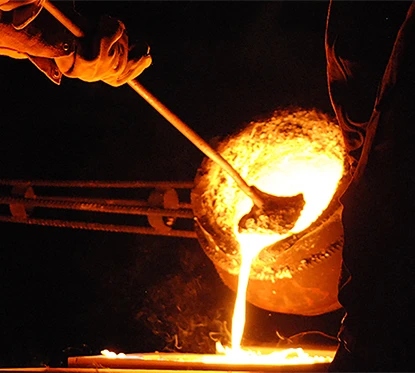
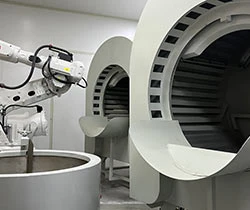
01Advanced Production Technology and EquipmentUse high-performance casting equipment and furnaces, such as vacuum induction melting, investment casting and other technologies, to ensure melting precision and casting quality.
-
02Professional Technical Support ServicesWith a professional technical team and complete technical support services, we can provide customers with satisfactory products and customized processing services.
-
03Strict Production Management NormsEstablish a sound quality management system, formulate perfect production operation procedures, implement strict production process control and product quality inspection, in order to achieve the goal of high-quality casting.
Quick Response And Adequate Technical Support
Visit Hebei Ruiyi Yuan Tong Technology Co., Ltd. — a professional manufacturer specializing in high-quality joint replacement components including femoral condyles, acetabular cups, tibial plates, and more.

china
Türkiye
India
Russia
Germany
USA
Switzerland
Argentina
NEWS
-
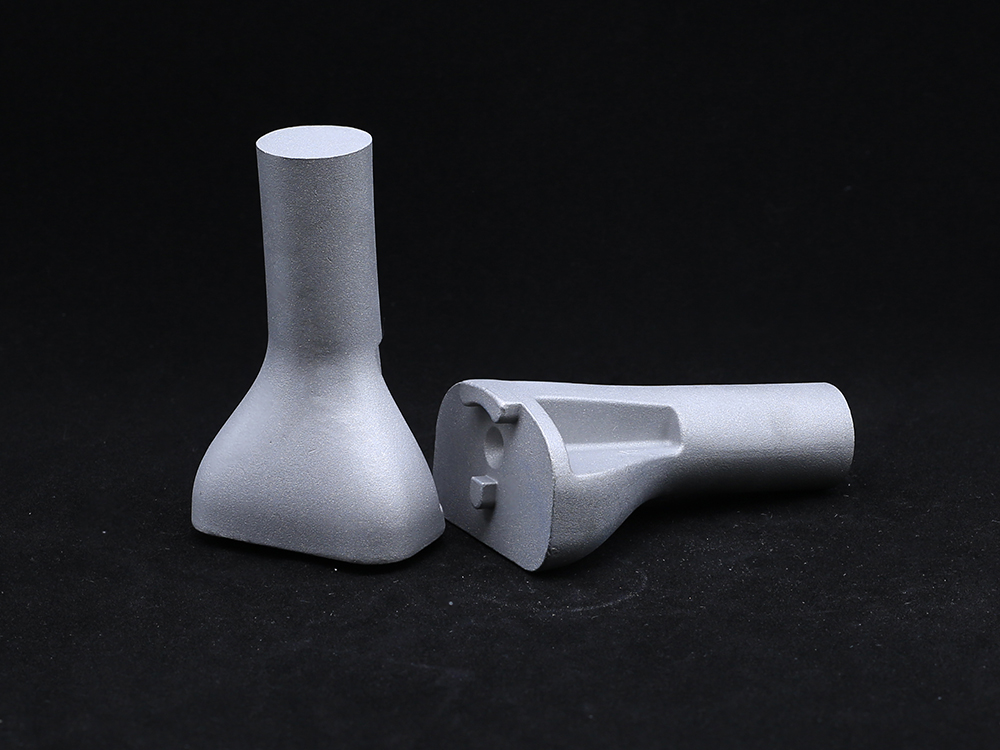
2026-06-14 21:052026-06-14 21:05Talus_ High-Quality Cobalt-Chromium-Molybdenum Alloy Ankle Joint Blank_Precision Engineering&BioArtificial joints play a critical role in restoring mobility and improving quality of life for patie>
-
2026-06-14 19:322026-06-14 19:32Embrace a New Era of Mobility with Titanium Knee ReplacementAre you seeking a long-lasting and robust solution for your knee pain? Look no further than titanium>
-
2026-06-14 18:432026-06-14 18:43Revision Femoral Condyle Implant for Durable Joint RepairPresented by Hebei RuiYiYuanTong Technology Co., Ltd. | https://www.rays-casting.com Company: Hebei>
Get a Custom Solution!
Contact Us To Provide You With More Professional Services


